In recent times, there’s been a significant surge in the adoption of electric vehicles (EVs) as more individuals are opting for environmentally friendly transportation alternatives. Along with this trend has been a surge in demand for EVs charging infrastructure, highlighting a need to better understand EV charging processes. What exactly is EV Charging and what is it?
EV charging refers to the procedure of recharging the batteries of an electric vehicle. This fundamental action is akin to refueling a conventional vehicle using gasoline, but with a notable difference – EVs do not rely on combustible fuels instead, they use the electricity stored in their batteries to drive their electric motors, which move them forward.
One of the critical aspect of EV charging is knowing the different types of charging options available. EV owners have access to different charging options, each offering distinct charging speed and compatibility with various vehicles. Let’s look at the various options available:
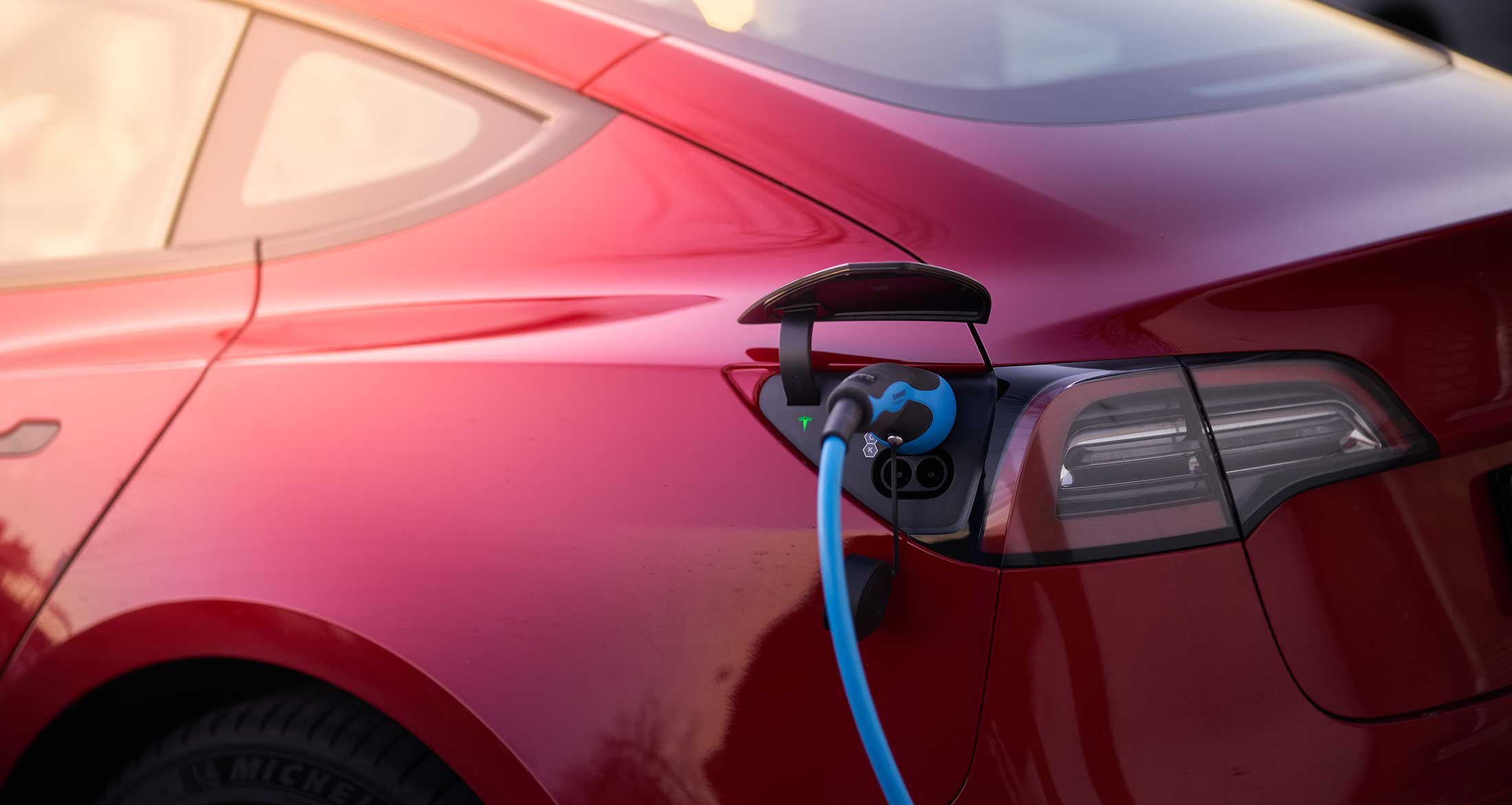
Level 1 charging: This is by far the most basic way to charge an electric vehicle, and it uses standard home outlets (120 Volts). Although convenient, level one charging is slow and may take a long time for charging an electric car. It is often used for overnight charging at home. For more information, click What is EV Charging
Level 2 Charging Level 2 charging works at the higher voltage (typically 240 volts) and offers faster charging speeds compared to level 1. It is commonly used for charging stations in public areas and workplaces as well as homes equipped with EV chargers. Level 2 chargers are ideal for overnight charging. They also dramatically reduce charging times compared with level 1.
DC Fast charging: Sometimes called a level 3 charger, DC fast charging is the most efficient of the three. It operates at much higher voltages and currents that allow for fast charging sessions that can replenish an EV’s battery to 80% or more in just a couple of minutes. DC fast charging stations are found along highways, main travel routes, and in commercial areas. They are ideal for long-distance travel and rapid top-ups.
It is crucial that EV owners understand the different charging options to make educated decisions about how and where to charge. EV charging is optimized by considering aspects like the availability of charging stations, convenience and charging speed.
Furthermore, EV charger infrastructure is changing our perception of refueling. Gas stations of the past are being supplemented and, in some cases, replaced by electric vehicle chargers that reflect the shift towards a more sustainable and cleaner eco-friendly transport system.
For many EV owners who live at home, the convenience of charging is not overstated. Installing a home level 2 charging station lets you charge your car overnight without any hassle, and also ensures that your vehicle is fully charged by morning. It is also economical and eliminates the need for frequent visits to charging stations in public.
Public charging infrastructure is still essential, particularly for long journeys or for EV owners without access to home charging. The growth of charging infrastructures for public use, coupled with technological advancements in charging makes electric vehicles more feasible and accessible to more people.
Furthermore, the incorporation of smart charging solutions and renewable energy sources into EV charging networks offers exciting possibilities to improve grid efficiency and sustainability. By using renewable sources of energy such as solar and wind power to charge EVs we can reduce our carbon emissions as well as reduce our reliance on petroleum fuels.
EV charging is a crucial aspect of owning an electric vehicle. Through understanding the various charging options available, and the ever-changing landscape of charging infrastructures, EV owners will be able to maximize their efficiency and convenience when driving. While we continue to embrace electric mobility, the future of transport looks bright with renewable energy and cutting-edge charging solutions.